We all know the great philosophical questions like, “If a tree falls in the woods and no one is around to hear it, does it make a sound?”Well, how about…
Olson Zaltman Associates recently conducted qualitative research into how people are thinking about the U.S. economy at deep psychological levels. Although the economy has shown positive signs in the last…
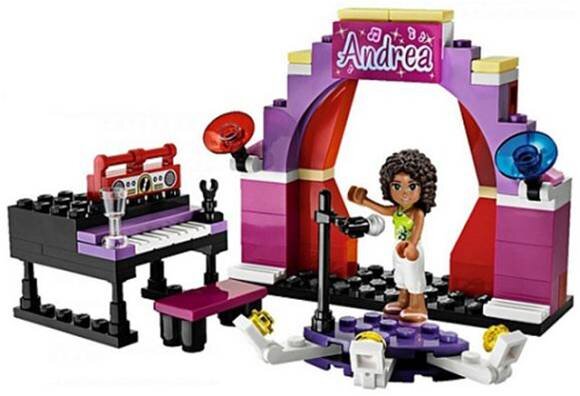
Lego has stirred up a bit of a hornet’s nest with its new “Lego Friends” line. As Lisa Wade from Occidental College notes on the blog Sociological Images, “It’s being…
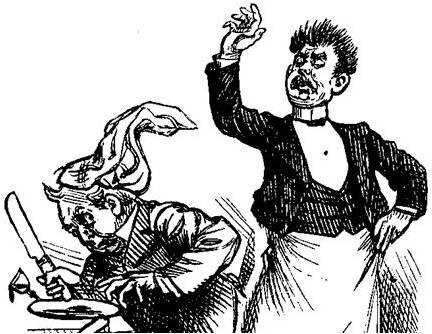
Paulo Crepaldi from Resulta CNP, our ZMET Partner in Brazil, sends along this blog entry from a gentleman who presents a half-serious/half-joking idea for a new restaurant called Placebo, which…
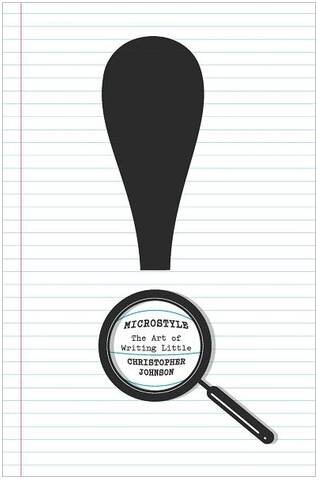
Christopher Johnson is a branding consultant with a PhD in linguistics. His book, Microstyle: The Art of Writing Little is filled with examples of great (and less-than-great) brand names and…
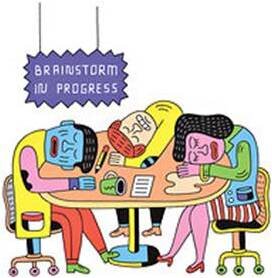
This article in the New York Times describes how the new push toward open floor plans and groupthink style offices may actually inhibit the generation of true insight. Many great…
The January 2012 issue of Quirk’s contains several useful articles, including one about the components of customer experience and a couple of shorter pieces about social media. Perhaps the most…
Last month, Elizabeth participated in a panel on social media and reaching underserved populations from a public health perspective. There was a lot of discussion of Facebook and Twitter and…
As a follow-up to the last Deep Dives, which dealt with magic, Jerry Olson sent me the attached ad that he scanned from his local newspaper. It’s an ad for…
Welcome to 2012! Thanks to Jerry Zaltman for sending along this short TED talk from James Geary, author of I is an Other, a great new book about metaphor. Geary…
From the world a sports, an article that deals with the power of the unconscious mind. This is hardly a new idea, but this article describes how the Green Bay…
The Harvard Business Review features a Q&A with Dr. James Pennebaker, who describes research which suggests that we unconsciously reveal our personality through our choice of pronouns. For example, if…